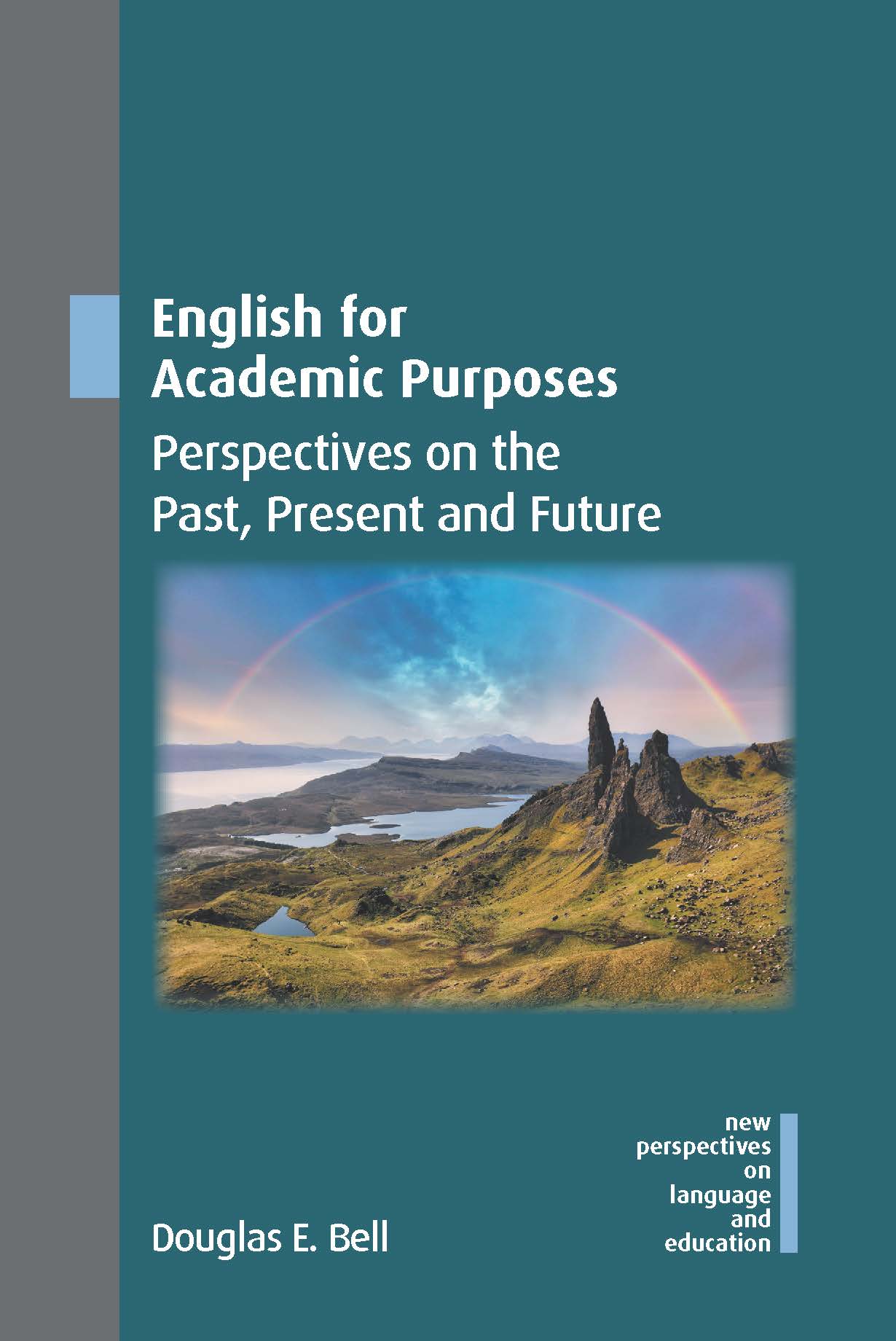
English for Academic Purposes
Perspectives on the Past, Present and Future This book provides readers with a critical and comprehensive overview of the historical development and ongoing trajectory of English for Academic Purposes (EAP). It examines a wide range of crucial topics in EAP, concluding with a glimpse into the future as the author considers the threats posed by issues such as privatisation and generative AI. A systematic and critical exploration of the history of EAP from its birth until the present day. Since its inception in the 1960s, the field of English for Academic Purposes (EAP) has enjoyed a period of almost continual expansion and growth and now represents a multi-million dollar industry worldwide. This book provides readers with a critical and comprehensive overview of EAP’s birth, its historical development and its ongoing trajectory, incorporating along the way the views of individuals who have played key roles in the field. It examines a wide range of crucial topics in EAP, including pedagogy, materials and assessment and the role of EAP and those who teach it within the academy. The book concludes with a glimpse into the future as the author discusses the strengths, weaknesses and opportunities currently facing EAP and also evaluates some of the threats posed by issues such as privatisation and generative AI.
Product Information
Product Information
Shipping & Returns
Shipping & Returns
Description
Perspectives on the Past, Present and Future This book provides readers with a critical and comprehensive overview of the historical development and ongoing trajectory of English for Academic Purposes (EAP). It examines a wide range of crucial topics in EAP, concluding with a glimpse into the future as the author considers the threats posed by issues such as privatisation and generative AI. A systematic and critical exploration of the history of EAP from its birth until the present day. Since its inception in the 1960s, the field of English for Academic Purposes (EAP) has enjoyed a period of almost continual expansion and growth and now represents a multi-million dollar industry worldwide. This book provides readers with a critical and comprehensive overview of EAP’s birth, its historical development and its ongoing trajectory, incorporating along the way the views of individuals who have played key roles in the field. It examines a wide range of crucial topics in EAP, including pedagogy, materials and assessment and the role of EAP and those who teach it within the academy. The book concludes with a glimpse into the future as the author discusses the strengths, weaknesses and opportunities currently facing EAP and also evaluates some of the threats posed by issues such as privatisation and generative AI.